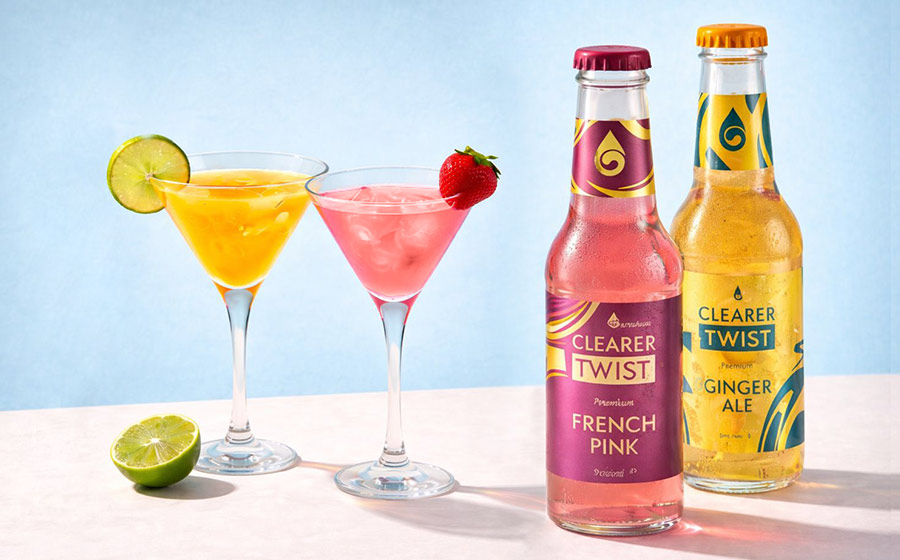
Drink Trends to Watch in 2026 | Low-ABV, No-ABV & Alkaline Mixers
Drink choices in 2026 are being influenced by a steady rise in low-alcohol and alcohol-free products, as well as an increased interest in cleaner ingredient lists.
Alkaline-infused drinks naturally fit into this category. Thanks to their mineral-forward profiles, gentle flavours, and no-frills formulations, they attract people who want alternatives to sugary soft drinks or heavy cocktails.
This has opened the door to a new category of mixers and spritzes that feel more modern without relying on additives.
Keep reading to learn more about the trends shaking up the drinks industry in 2026.
Why Are Alkaline-Infused Beverages Becoming a Major Trend?
Alkaline-infused drinks are gaining popularity because they use minerals and gentle botanicals to create crisp, balanced flavours without too much sugar or heavy, sickly syrups. Their clean profile makes them suitable for spritzes, mixers and alcohol-free options, which aligns with current interest in lighter, more versatile beverages.
What Alkaline-Infused Drinks Actually Are
Drinks that are alkaline use water that either naturally has a higher mineral content and pH, often found in certain spring sources or water that has been made more alkaline by adding minerals during production. That’s really the core of it. The minerals give the water a softer taste and a smoother finish, so the drink doesn’t rely on extra sweetness or strong flavouring to feel balanced.
When alkaline water is used in mixers like tonic water or ginger ale, it has a noticeable effect. The bitterness in tonic is softer and the spice in ginger ale doesn’t feel as sharp, making it more enjoyable to drink.
Brands that use naturally alkaline spring water, including the sources in Türkiye, rely on the water itself to set the tone. The minerals are already in place, so the final drink has a consistent taste without the need for extra tweaking. That’s why people are paying attention to it this year.
The Wellness Shift
More people are reconsidering what they drink on a day-to-day basis or on nights out, and it’s changing the types of beverages they reach for.
Alkaline-style drinks fit perfectly into these new habits. Here’s why:
People want drinks that feel lighter
A lot of drinkers are choosing options that don’t sit heavily, not for health claims, but because they want something they can thoroughly enjoy without feeling like it’s weighed down with unnecessary ingredients. Alkaline drinks offer that lighter feel.
Shorter ingredient lists are more appealing
Consumers are paying more attention to what goes into their drinks. Beverages crafted with mineral-rich water appeal because they require fewer additives and still deliver a clean taste.
They work across more occasions
These drinks fit easily into parties, weeknight dinners or low-key social plans. They don’t dominate the flavour, so they suit low-ABV and alcohol-free mixes just as well as regular ones.
They pair well with food
They taste fresh and not overly sweet, so they don’t compete with food, making them ideal for people who want something refreshing at the table that isn’t wine or a sugary soft drink.
They feel practical
Many people want drinks that align with their wellness-minded routines. Alkaline-infused options work for this because they’re light and easy to enjoy without feeling indulgent.
Low-ABV and No-ABV Trends
The rise of low-ABV and no-ABV drinks has changed what people expect from a mixer.
If a mixer is too sugary, the whole drink just tastes too much like a regular soft drink. But if bitterness is dominating the taste, the spirit disappears. Luckily, mineral-based mixers avoid both problems because the water has enough natural body to keep the drink balanced without relying on sweetness, offering a smoother taste that goes down nicely.
Botanical alcohol-free spirits are the best example here, as many rely on herbs, citrus and spice for complexity — but those notes can feel quite sharp when blended with a standard tonic.
A mineral-rich mixer can actually soften the sharper notes, making the botanicals easier to taste and elevating the drinking experience, regardless of the occasion.
Low-ABV spritzes benefit for a different reason. Restaurants are serving more lower-strength drinks with food, so they need mixers that don’t compete with a dish. That’s why they use these for serving alongside a meal for a refreshing drink without overpowering the flavour.
Flavours and Ingredients to Watch in 2026
Low-ABV, no-ABV and Alkaline mixers need flavours that show up clearly without relying on sweetness or high alcohol. These are the ingredients gaining traction:
Citrus with aroma
Bars are moving away from the usual lemon and lime routine. Two varieties taking the lead because they offer more scent and less blunt acidity are yuzu and mandarin.
Yuzu brings a strong aromatic punch, which helps a low-ABV or alcohol-free drink much tastier without adding sweetness. Mandarin gives a slightly softer citrus note that doesn’t defeat mineral-heavy mixers. Both work well because you can still taste their flavour even when alcohol isn’t doing the heavy lifting.
Ginger and spice
There’s growing interest in ginger that delivers actual heat when mixed, like the kind you notice immediately in a tall drink, adding the heat that alcohol-free spirits are often missing, so the drink doesn’t taste flat. Pink peppercorn is also gaining popularity for the same reason and Galangal has a sharper flavour than ginger, as its distinct taste remains even after adding soda or tonic.
Flavourful herbs
Shiso works well in lighter drinks because its flavour is noticeable even when diluted and basil brings an ultra-clean, fresh taste without adding sweetness. Thyme gives drinks a savoury taste that’s useful in low-ABV spritzes or alcohol-free drinks made with mineral-heavy water. They’re used because you can still taste their spicy qualities, no matter what they’re mixed with.
Florals that don’t dominate
Chamomile is becoming more common because it gives a gentle aromatic note without taking over the drink and Linden blossom works for the same reason. It adds flavour without turning the drink overly floral or perfume-y. Osmanthus adds a delicious, fruit-floral taste that elevates alcohol-free aperitifs.
Controlled salinity
A tiny amount of salinity gives lighter beverages more definition. Samphire and very mild seaweed extracts sharpen the overall flavour without introducing fishy sea notes. When mixed with mineral-rich water, this subtle salt element transforms a drink from tasting flat to one that is textured and balanced on the palate.
Mediterranean and Anatolian ingredients
Producers are turning to ingredients with a strong culinary identity. Quince brings acidity and aroma without sweetness. Rosemary and sage add body to drinks without swamping them with these powerful aromas. And bergamot offers a distinct citrusy bite, especially in herb-heavy mixes. These work well in mixers made from Turkish spring water and similar sources because the minerals carry these flavours beautifully without needing sugar.
What’s Next for 2026 Mixers
Bars, restaurants and retail establishments are putting more effort into lighter drinks because, as the world becomes increasingly aware of health and wellness, people continue to purchase them.
Mineral-led mixers and the newer flavour choices exist for practical reasons, mainly to stop drinks from tasting weak once they’re topped with soda or tonic. The result is a broader range of drink options that fit into everyday life without relying on unnecessary sugar or heavy flavours.