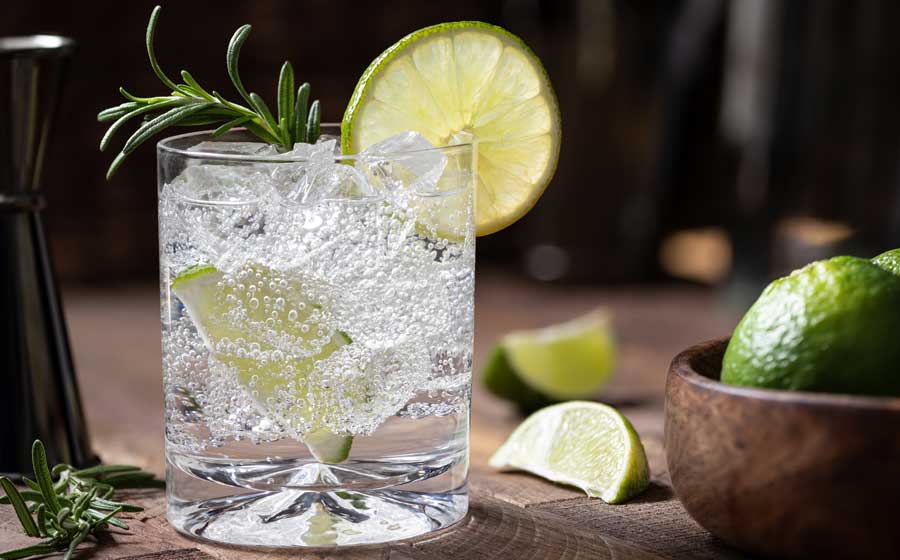
What Is Tonic Water and How Is It Different from Soda Water?
Tonic water and soda water may look identical, but they are not the same thing and most people have used them interchangeably at some point.
Once you understand the differences, choosing the right one for drinking or mixing becomes a lot more straightforward. So keep reading to learn the difference between the two.
What Is the Difference Between Tonic Water and Soda Water?
Tonic water and soda water are both carbonated, but that’s where the similarity ends. Tonic water contains quinine, the compound responsible for its bitter-sweet taste, plus sugar or sweetener and natural flavourings. Soda water is carbonated water with added minerals and no flavouring.
These differences are a big deal when it comes to mixing drinks.
| Tonic Water | Soda Water | |
|---|---|---|
| Carbonated? | Yes | Yes |
| Added minerals? | No | Yes | Contains quinine? | Yes | No | Contains sugar? | Usually | No | Calories? | 80 to 90 per 250ml | Negligible | Flavour | Bitter-sweet | Mildly mineral | Best used for | G&T, tonic cocktails | Highballs, spirits |
Quinine in Tonic Water
What exactly is quinine?
It’s a natural alkaloid found in the bark of the cinchona tree, native to South America and has been used medically for centuries as a treatment for malaria.
Modern tonic water contains quinine in very small amounts. EU and UK food regulations cap quinine content in soft drinks at 83mg per litre. That is nowhere near a therapeutic dose, but it is enough to produce that distinctive bitterness in every sip.
Tonic Water and Sugar Content
A 250ml serving typically contains 18 to 22g of sugar, depending on the brand, putting it closer to a soft drink than a neutral mixer on the calorie front.
Standard tonic
These use sugar or glucose-fructose syrup. It has the fullest flavour but the highest calorie count, around 80 to 90 calories per 250ml.
Slimline or diet tonic
By swapping sugar for artificial sweeteners such as saccharin or aspartame, the calorie count drops to nearly zero and the bittersweet character stays largely intact.
Light tonic
A lighter tonic belongs in the middle, using reduced sugar alongside natural sweeteners to cut calories without going fully sugar-free.
Alkaline tonic water
Standard tonic water sits on the acidic side, with a pH typically between 2.5 and 3. Alkaline tonic water is formulated to have a higher pH, which, for people who find standard tonic too sharp or acidic, delivers the same bittersweet character with a noticeably cleaner finish.
Using Soda Water Instead of Tonic Water
Soda water doesn’t add any bitterness or sweetness to a drink. And using it in a gin and tonic means losing the contrast that makes the drink enjoyable.
The quinine in tonic cuts through the botanicals in the gin, whereas soda water just dilutes them.
But there are some cases where soda water is the right choice, such as with highballs, cocktails where a neutral mixer lets the spirit lead or when working with a particularly delicate gin where you do not want anything competing with it. Some bartenders will use soda water deliberately for exactly that reason.
Choosing the Right Mixer
The right mixer depends on what the beverage is:
- Gin and tonic, vodka tonic or any tonic-based cocktail – use tonic water. The bitterness is part of the drink. But choose alkaline tonic water for a smoother finish.
- Whisky highball, Aperol spritz or Campari soda – soda water is the traditional and correct call.
- Keeping calories low – slimline tonic is the practical option if you still want the tonic flavour.
Not All Tonic Water Is Created Equal
Mass-market tonics need to rely on artificial flavourings and high-fructose corn syrup, which give a flat sweetness that doesn’t complement the spirit and the carbonation is often heavier, too.
Premium tonic water uses natural quinine, better-quality sweeteners and gets the carbonation levels right, ensuring a pleasurable drinking experience, whatever your beverage of choice.
Alkaline tonic takes that experience a step further, with a higher pH that removes the sharpness you get from conventional tonic, leaving a cleaner, smoother finish in the glass.
Soda water has its place too, but remember, it’s a neutral base and doesn’t contribute any flavour.
So, as you can see, if you are pouring a decent gin, a good tonic can make a big difference to the finished drink.